July 10, 2026
Investing in the right work footwear is a professional decision that directly impacts your daily safety, physical comfort, and overall efficiency on the job site. Protective shoes are engineered with heavy-duty materials specifically designed to shield your feet from severe occupational hazards, such as heavy falling objects, sharp punctures, and unpredictable electrical dangers. Making an informed choice involves looking far beyond how a pair looks visually or how affordably it is priced on the shelf.
The perfect pair of steel toe boots should represent a flawless blend of robust structural protection, ergonomic comfort, and precise suitability for your unique industrial environment. By equipping yourself with the right baseline knowledge and paying close attention to technical details, you can easily avoid the common purchasing pitfalls that plague many workers. This comprehensive guide highlights the most frequent blunders made during the buying process, helping you secure long-lasting value and maximum foot protection.
1. Ignoring Proper Fit
A remarkably common error when purchasing safety footwear is neglecting the absolute importance of an accurate fit. An ill-fitting shoe inevitably leads to severe physical discomfort, painful blisters, skin friction, and premature foot fatigue over the course of a long shift. To counter this, trying on multiple sizes in-store allows for a much more realistic judgment of true comfort. Foot measurements should always be taken precisely, carefully accounting for any natural variance in foot size that typically occurs throughout a busy, active day. Shopping late in the afternoon or evening when your feet are naturally slightly swollen can provide a much safer sense of how the steel toe boots will feel during a hard day's work.
According to the Texas Department of Insurance, safety work shoes and boots should have about a half-inch of toe room in the front. This spatial buffer is absolutely essential to accommodate natural foot flex, stride movement, and the wearing of dense socks. Ignoring the need for this designated toe room can result in painfully cramped toes, which can cause severe, long-term structural issues such as bunions or ingrown nails. Furthermore, do not forget to factor in thick sock choices when determining your final size. A pair of heavy winter work socks will take up significantly more interior volume and can completely alter how your protective gear fits. Finally, always inquire about the retailer's return and exchange policies before completing your purchase.
2. Overlooking Safety Standards
Safety ratings and compliance certifications are of utmost importance when selecting high-quality steel toe boots. These strict regulatory benchmarks, such as ASTM and OSHA standards, define the exact minimum defensive capabilities required for protective footwear in high-risk environments. Familiarity with these specific classifications ensures that your selected footwear can actually withstand heavy impact forces and crushing workplace hazards without collapsing. Boots that have successfully passed these rigorous testing procedures always display clear certification labels on the tongue or interior liner, which signify they meet or exceed federal safety guidelines.
3. Disregarding Comfort Factors
When selecting a reliable pair of steel toe boots, numerous secondary comfort-related factors must be thoroughly evaluated to avoid chronic physical pain. Insole quality and arch support are crucial components that directly affect how comfortable your footwear feels during grueling work hours. High-quality foam or gel insoles provide appropriate shock absorption and cushioning to reduce joint fatigue and distribute your body weight more evenly across the footbed. Without the right anatomical arch support, you risk experiencing severe foot pain, which can easily lead to debilitating conditions like plantar fasciitis over time.
Breathability is another major factor that significantly impacts long-term foot comfort and daily hygiene. Protective footwear equipped with sufficient built-in ventilation and advanced moisture control prevents your feet from becoming excessively hot, sweaty, and damp. This localized climate control is crucial for maintaining overall foot health, as it actively helps prevent the growth of fungal bacteria. The primary material of the boots plays a massive role in overall breathability; premium genuine leather typically offers much better natural air exchange than cheap synthetic textiles. The total weight of the boot also contributes heavily to your overall fatigue levels, making it essential to find a healthy balance between safety thickness and lightweight mobility.
4. Focusing Solely on Price
Many consumers make the costly mistake of allowing the retail price tag to be the sole determining factor in their choice of steel toe boots. While staying within a reasonable budget is a practical consideration, it should never overshadow critical factors such as material quality and structural protection. Often, cheaper bargain boots save you money upfront at the direct expense of drastically reduced durability, poor stitching, and nonexistent internal cushioning. Sacrificing material quality for a lower price tag almost always results in additional expenses down the road in the form of frequent replacements or medical costs.
Affordable yet high-quality choices are readily available from various reputable workwear brands. Knowing which manufacturers have a proven history of producing durable and comfortable footwear helps you navigate the crowded market more effectively. Once you have identified these trusted brands, explore their mid-tier or entry-level options for a budget-friendly purchase that does not cut corners on safety metrics. Viewing your protective footwear as a long-term investment shifts your focus away from the initial tag.
5. Neglecting Material Considerations
The specific raw materials used in construction play a massive role in the overall field performance and longevity of your steel toe boots. There are notable structural differences between genuine leather and synthetic textiles that can directly affect your footwear's durability, flexible comfort, and suitability for specialized industrial tasks. Grade-A leather is globally renowned for its rugged durability, natural flexibility, and breathability, often providing a highly customized, comfortable fit after an initial break-in period. In sharp contrast, synthetic textiles may offer a lighter total weight and usually cost less upfront, but they frequently lack the long-term durability and climate adaptability of leather.
6. Failing to Test Durability
Durability is a paramount consideration when selecting heavy-duty steel toe boots, as they must effortlessly withstand the daily rigors of harsh industrial work environments. Examining the construction assembly quality gives deep insight into the boot's innate ability to endure heavy wear and tear over several years. Look closely for high-quality double or triple seams and clean stitching, which are indicative of excellent overall craftsmanship. Reinforced stitching in critical high-stress areas helps maintain the boot's physical structure under intense pressure.
Buying the right protective footwear requires careful evaluation to avoid common mistakes that can easily compromise your personal safety, physical comfort, and financial value. By understanding the critical importance of a proper fit, verifying strict safety standards, prioritizing ergonomics, balancing lifetime costs, and analyzing rugged materials, you can make an intelligent, informed purchase. Delivering on both uncompromising protection and long-term comfort ultimately enhances your daily work performance, reduces physical fatigue, and protects your long-term well-being on the job site.
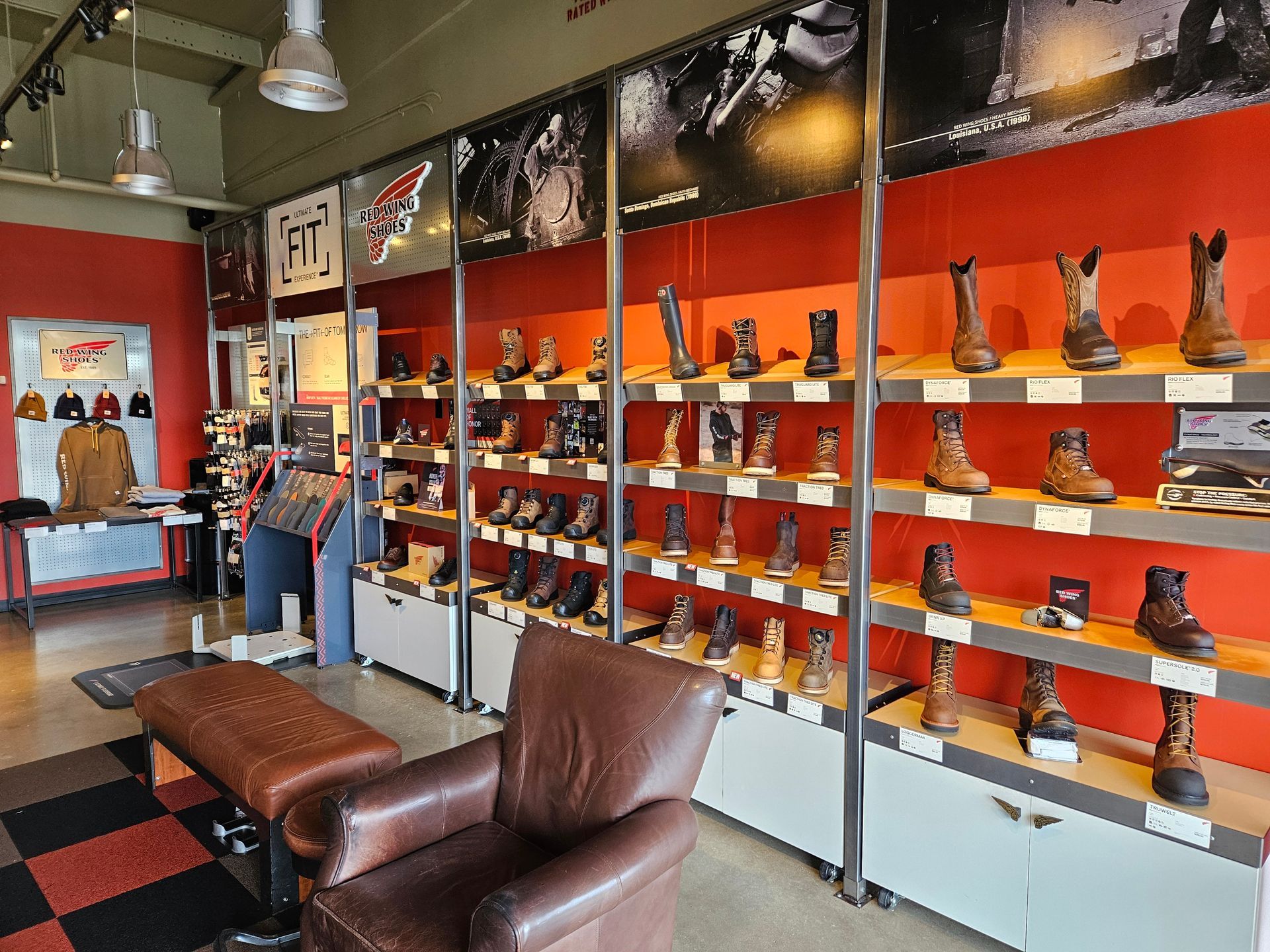
Your choice of protective gear is more than just a routine retail transaction; it is an integral pillar of workplace safety culture that prevents catastrophic accidents and unnecessary downtime. Investing in high-tier footwear means fewer replacements, better joint support, and total peace of mind when navigating high-risk environments. When you are ready to invest in a premium pair that seamlessly avoids these common pitfalls, check out the legendary selection available at Red Wing Shoes to secure the ultimate protection, classic durability, and engineered comfort for your career.