June 9, 2026
When consumers shop for new footwear, they frequently find themselves caught between the ease of digital transactions and the physical retail market. Online platforms present an endless sea of digital galleries, yet they cannot replicate the tangible atmosphere found within brick-and-mortar locations. Buying footwear requires careful consideration of touch, structure, and sizing, elements that digital photos fail to convey accurately. This shift back toward physical establishments highlights a growing appreciation for individual attention and immediate satisfaction, emphasizing that certain purchases require an in-person commitment.
The decision to buy specialized footwear locally changes the entire retail experience from a clinical transaction into a collaborative journey. Physical storefronts allow buyers to touch the leather, examine the stitching details, and test the flexibility of soles before spending their money. This hands-on process reduces the guesswork and subsequent returns that plague online shoppers. By choosing local boot stores, consumers invest in an authentic experience that prioritizes individual needs and physical comfort over the automated algorithms of digital commerce.
Navigating Personalized Customer Service
Walking into a physical establishment opens the door to specialized assistance that digital storefronts simply cannot replicate. Store employees possess extensive knowledge about various leather types, breakthrough designs, and specific heel structures. This expertise allows staff members to evaluate unique foot anatomy, arch requirements, and walking patterns on the spot. Buyers receive immediate guidance tailored to their lifestyle demands, ensuring that the selected product performs well under specific conditions.
These face-to-face interactions foster a genuine connection that extends far beyond a simple sales transaction. Staff members listen to customer concerns, troubleshoot fit issues in real time, and suggest tailored alternatives that a digital questionnaire would miss entirely. This high level of attention builds client appreciation and long-term loyalty, transforming a standard shopping trip into an informative experience. Customers leave the store feeling confident in their purchase, knowing their specific footwear needs were met by a knowledgeable professional.
Achieving Optimal Fit and Comfort
Securing the correct fit remains the most critical factor when selecting high-quality footwear, and physical locations excel at providing this security. Trying on different pairs allows customers to feel how the material contours around their feet and ankles. According to the Texas Department of Insurance, high-cut shoes or boots provide ankle support and keep sparks, molten metals, and chemicals from getting into the footwear and should have 1/2 an inch of toe room for safety reasons. Testing these specific dimensions in person ensures the selected pair complies with necessary safety guidelines while preventing blister formation and chronic foot pain.
Expert sizing assistance from experienced staff reduces the common errors associated with ordering footwear online. Staff members utilize professional measuring tools to determine precise length and width requirements, accommodating unique traits like high arches or wide heels. They can also recommend specific socks or specialized insoles to enhance comfort and stability. This hands-on adjustment process eliminates the frustration of shipping incorrect sizes back and forth, ensuring that customers walk out with immediate physical comfort.
Boosting the Regional Economy
Choosing to spend money at local boot stores keeps financial resources circulating directly within the immediate community. Independent businesses frequently reinvest their profits locally by sourcing inventory from regional suppliers, hiring local services, and paying municipal taxes. This economic cycle strengthens the community, allowing neighborhoods to thrive and maintain their unique retail character. By resisting the temptation of massive e-commerce conglomerates, consumers help preserve the financial independence of their hometowns.
Furthermore, these physical shops act as vital employment creators for neighborhood residents, offering retail careers and management opportunities. A thriving retail sector stabilizes employment rates and provides community members with steady income streams. These businesses also showcase regional craftsmanship, giving local artisans a public platform to sell their goods. Investing in these unique products helps preserve traditional manufacturing skills and design heritage that might otherwise disappear in a marketplace dominated by mass production.
Minimizing Environmental Degradation
Sourcing products from neighborhood merchants provides significant environmental benefits by shortening global supply chains. When individuals purchase from local boot stores, they eliminate the need for long-distance air and freight shipping for individual packages. This reduction in transport distance lowers greenhouse gas emissions and decreases fuel consumption. Aligning purchasing habits with physical stores supports a sustainable consumer framework that reduces the heavy environmental footprint associated with global e-commerce delivery networks.
In addition to reducing transportation emissions, brick-and-mortar retail significantly lowers packaging waste. Online shipments arrive wrapped in multiple layers of cardboard, plastic film, bubble wrap, and adhesive tape that quickly fill up regional landfills. Physical stores allow buyers to carry their purchases home in minimal, recyclable packaging or reusable bags. Many independent store owners also prioritize partnerships with eco-conscious manufacturers, providing consumers with access to footwear made via sustainable tanning and responsible material harvesting.
Discovering Unique Craftsmanship
Physical storefronts often contain carefully curated selections of unique, high-quality footwear that cannot be found on mainstream internet sites. Store owners pride themselves on discovering independent designers, limited-edition styles, and durable utility footwear. This focus on uniqueness allows buyers to find distinctive styles that reflect their personal taste rather than generic, mass-produced trends. Investing in these unique items ensures that customers stand out while wearing durable, well-made footwear.
The exceptional structural integrity of artisan footwear becomes obvious through close personal inspection. Buyers can check the thickness of the leather, test the durability of the welt stitching, and feel the sturdiness of the internal support systems. Many independent retailers offer custom options, letting buyers select specific leather finishes, hardware, or sole designs. This dedication to superior quality ensures that every pair provides long-term durability, giving consumers great value for their investment. Finding these distinctive, rugged options in a traditional showroom provides a stark contrast to browsing the uniform catalogs of mass-market online giants.
Fostering Stronger Community Connections
Beyond the retail transactions, independent shops serve as important social hubs where neighbors connect and build lasting relationships. Regular visits to these storefronts encourage familiar greetings, friendly conversations, and shared stories among community members. This social environment contrasts sharply with the isolated nature of online shopping, where purchases occur through silent clicks on a screen. Engaging with neighborhood business owners builds a supportive social network that strengthens civic pride and community unity.
Many independent storefronts host special events, product launches, and charity drives that bring residents together for shared causes. These gatherings transform commercial spaces into vibrant community centers where creativity and collaboration thrive. Store owners often reward loyal customers through personalized loyalty programs, insider invitations, and special community discounts. This mutual appreciation deepens the relationship between the business and its patrons, turning a simple footwear purchase into a meaningful investment in the community's social structure. Choosing to chat with store owners about local events adds a refreshing layer of human interaction to an otherwise ordinary weekend errand.
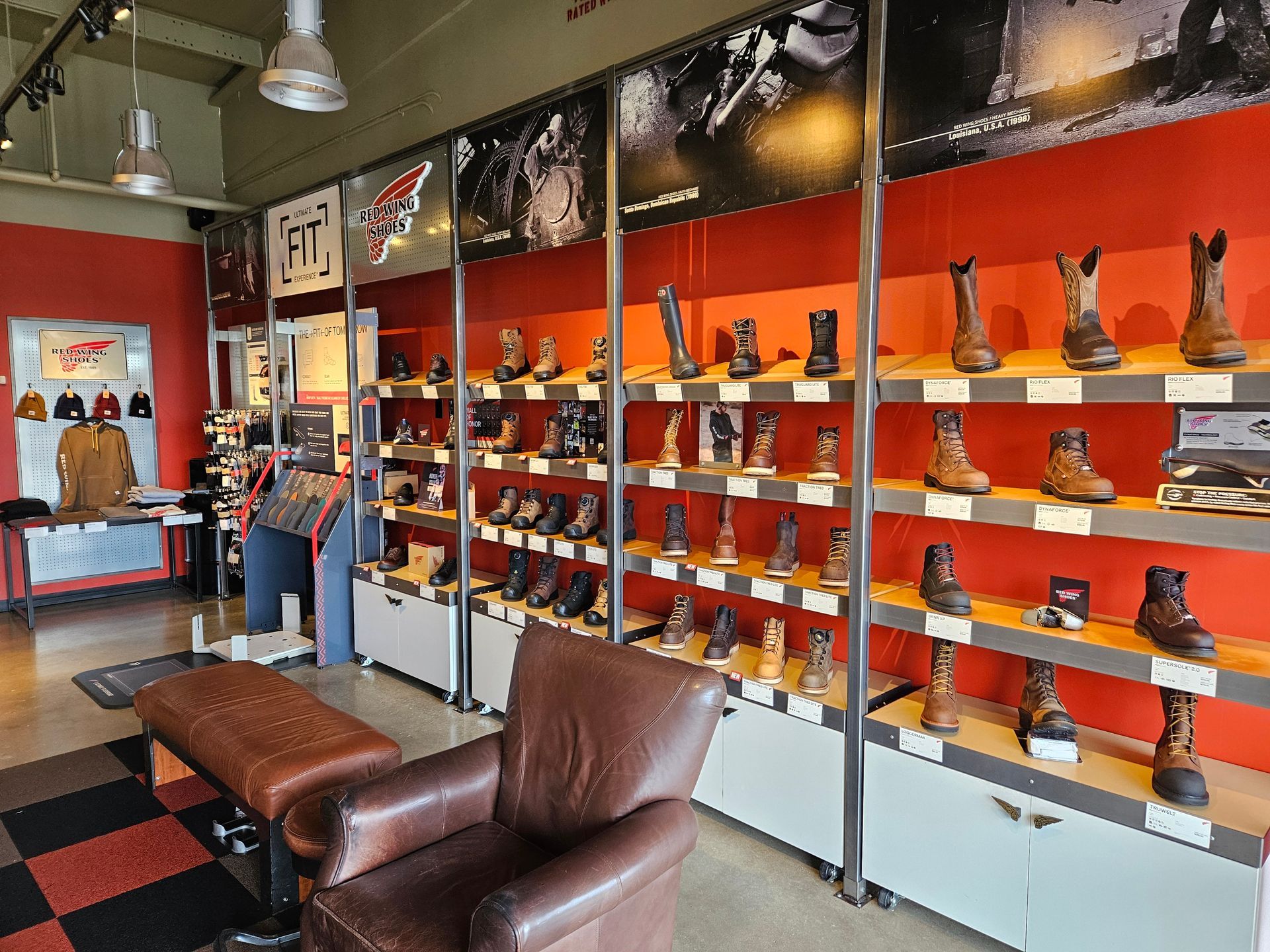
Prioritizing in-person retail over digital alternatives offers clear benefits, including specialized service, guaranteed physical comfort, and positive regional impacts. Testing footwear in a physical environment ensures proper sizing while protecting foot health and workplace safety. Every purchase made at independent shops helps protect local jobs, reduce packaging waste, and support regional artisans. These retail spaces provide a unique combination of exceptional product quality and genuine human connection that digital algorithms cannot replicate. When planning an upcoming footwear upgrade, consumers can explore the curated collection at Red Wing Shoes - McDonough to experience the quality available at
local boot stores.